All Categories
Featured

Table of Contents

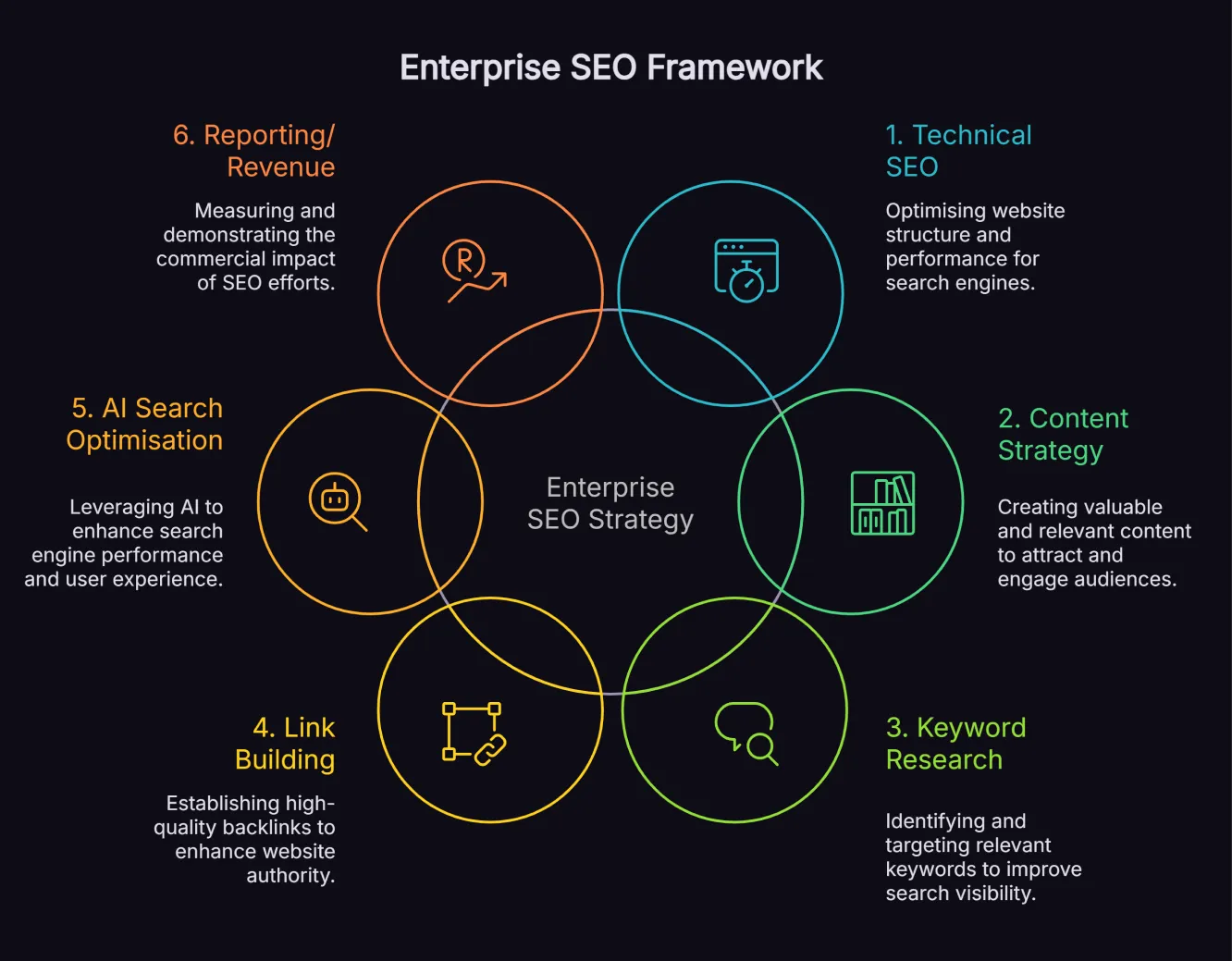
Modern Facilities and Technical Seo Handled in 2026
By mid-2026, the shift towards serverless architecture has essentially modified how search data is processed. Legacy SEO tools, when reliant on monolithic servers and delayed batch processing, have actually mostly been replaced by cloud-native systems. These platforms work as dispersed networks, efficient in replicating crawler habits throughout countless nodes concurrently. This modification is not merely about speed. It represents a basic approach environment-aware information collection that mirrors the complex, localized nature of modern search engine algorithms.
The requirement for 2026 needs that any enterprise-level tool needs to manage enormous data consumption without manual scaling. In the past, running a complete site audit on a million-page domain could take days. Today, cloud-native options make use of containerized microservices to finish these jobs in minutes. This allows technical groups to determine problems as they happen instead of finding mistakes weeks after a release. High-frequency monitoring has ended up being the baseline, as online search engine now upgrade their indexes with near-instantaneous sensitivity to site performance and structure.
Distributed Architecture: Moving Beyond Monoliths
Modern platforms constructed on Kubernetes and serverless functions offer a level of elasticity that was difficult a couple of years earlier. When a website goes through an enormous migration or a product launch, the SEO stack must broaden its capacity immediately. These systems use auto-scaling groups to manage the influx of information, making sure that performance metrics stay precise even throughout peak traffic durations. This flexibility is vital for companies that depend on Technical Seo Handled to maintain their market position. The dependability of these systems originates from their ability to stop working over across numerous cloud regions, avoiding the information spaces that utilized to afflict older SaaS offerings.
Information residency has likewise become a considerable element in 2026. Cloud-native platforms enable business to process SEO data within specific geographic limits to abide by developing personal privacy policies. By releasing employee nodes in particular regions, these platforms can see exactly what a localized user sees, capturing the nuances of local search results that a central server would miss. This granular presence is a requirement for any worldwide entity handling an intricate web existence across numerous continents and languages.
Many enterprises focus on Technical SEO Management when constructing their technical stacks. This choice reflects a more comprehensive pattern of moving far from all-in-one suites towards specialized, interoperable components. By utilizing APIs to link SEO data directly into service intelligence tools, business can correlate organic search efficiency with real income in real-time. This level of integration removes the guesswork that when defined the relationship between technical optimizations and monetary results.
Edge Computing and Real-Time Content Modification
The rise of Edge SEO marks one of the most considerable shifts in the 2026 technical environment. Rather of waiting for a developer to carry out modifications in the core codebase, SEO professionals now utilize edge workers to modify headers, inject metadata, and redirect URLs before the demand even reaches the origin server. This layer of abstraction permits quick testing and application without the standard traffic jams of a sprint cycle. Cloud-native platforms provide the screening environments for these edge deployments, making sure that modifications do not break website performance.
Edge-level optimizations are especially reliable for managing large-scale faceted navigation and pagination issues. By handling these logic-heavy jobs at the edge, sites lower the load on their main servers, enhancing core web vitals and overall user experience. This effectiveness is a main chauffeur for companies buying Automated Technical SEO Management Systems. The capability to carry out complicated reasoning at the network's edge suggests that the range in between a user's request and a completely optimized action is much shorter than ever.
Security has likewise been integrated into the SEO workflow. Cloud-native platforms now include automated detection for bot spoofing and scraper security that can adversely impact crawl budgets. In 2026, securing the stability of the site's relationship with online search engine crawlers is as important as the material itself. These platforms compare "great" bots and malicious actors, making sure that server resources are booked for the entities that in fact contribute to search exposure and user conversion.
Data Management for Technical Seo Handled
The volume of data produced by a contemporary website is staggering. To understand this, 2026 platforms employ vector databases and machine learning models to classify and analyze content at scale. Unlike the basic keyword matching of the past, these systems understand semantic relationships and intent. They can anticipate how a change in content structure may impact rankings throughout a broad cluster of associated terms. This predictive ability enables groups to be proactive, attending to possible drops in presence before they take place.
Real-time log file analysis is another function that has become basic. By streaming server logs straight into the SEO platform, technical personnel can see exactly how online search engine are communicating with the site every second. This reveals crawl inadequacies that standard aggregators would miss out on. For example, if an online search engine is stuck in a redirect loop or losing energy on low-value pages, the platform sends an immediate alert. This level of oversight is needed for keeping a healthy Technical Seo Handled in an increasingly competitive digital environment.
Organizations looking for Technical SEO Management in 2026 often discover that legacy tools can not keep up with cloud-native needs. The requirement for sub-second latency in information reporting has made old-school reporting dashboards obsolete. Instead, 2026 platforms provide streaming data visualizations that upgrade as brand-new details arrives. This enables a more agile method to search strategy, where changes can be made everyday rather than regular monthly.
The Economic Case for Cloud-Native SEO
The expense structure of SEO software has undergone a significant shift. The market is moving far from seats and fixed-tier rates towards consumption-based designs. Business just pay for the compute power and storage they actually use. This is especially helpful for seasonal services or those with varying website sizes. A business can scale its SEO keeping track of up during a significant campaign and scale it back down afterward, ensuring that the budget plan is used effectively. This financial flexibility makes it much easier for smaller companies to access the exact same high-level tools as big corporations.
In addition, the reduction in manual work is a significant cost saver. Automation in cloud-native platforms manages the recurring tasks of site auditing, link monitoring, and rank tracking. This frees up human experts to concentrate on high-level strategy and creative analytical. In 2026, the value of an SEO specialist is discovered in their ability to interpret information and drive cross-functional jobs, not in their capability to export spreadsheets. The platform deals with the "heavy lifting" of data collection, while the human beings offer the context and direction.
Interoperability is the last pillar of the 2026 requirement. A platform that can not speak to the rest of the marketing stack is a liability. Modern tools utilize standardized schemas and open APIs to ensure that data streams freely between the SEO platform, the CRM, and the CMS. This develops a unified view of the client journey, from the initial search inquiry to the final purchase. When every department is looking at the very same information, it ends up being much simpler to protect executive buy-in for technical SEO initiatives that may otherwise be seen as unknown or low-priority.
Last Standards for a Mature Market
As we move through 2026, the difference between "SEO tool" and "cloud infrastructure" continues to blur. The most effective organizations treat their search optimization stack as a core part of their technical architecture. This includes a commitment to Technical Seo Handled that prioritize speed, accuracy, and scalability. The standard is no longer about having the most features, but about how well those functions integrate into a serverless, globalized web.
The platforms that lead the marketplace are those that offer the most transparency into their information collection and processing methods. Black-box algorithms are out; explainable AI and verifiable information streams are in. As online search engine themselves end up being more intricate, the tools utilized to monitor them should match that intricacy with sophisticated, cloud-based services. For any entity seeking to preserve importance in search, embracing these cloud-native requirements is no longer a choice-- it is a requirement for survival in the digital economy of 2026.

Latest Posts

Navigating a Harsh 2026 SEO Environment

Essential PBN Management Tools for High Scale
Acquiring High-Authority Backlinks at Scale