All Categories
Featured

Table of Contents


Evolution of Connection Security in 2026
The digital environment of 2026 has moved previous basic link structures towards complex, validated networks where every connection requires strict validation. Enterprise-level operations no longer see link building as a singular marketing effort but as a technical requirement that overlaps with cybersecurity. The shift toward more controlled, private link networks originates from a requirement to secure domain authority from automated spam attacks and algorithmic changes that ended up being common over the last two years. As search engines integrated much deeper neural analysis of website relationships, the security of those relationships ended up being a main ranking factor.
Security protocols now determine how data passes between nodes in a business network. These protocols are developed to avoid the leakage of metadata that may indicate synthetic control to search crawlers. In 2026, the focus has shifted from quantity to the stability of the source. Top-level digital strategies now prioritize encrypted headers and safe and secure socket layers even for outgoing directional traffic. This ensures that the connection remains private from third-party scrapers while staying transparent to the specific search entities intended to crawl the website.
For companies maintaining massive digital assets, the reliability of Automated Backend Optimization depends on the underlying server architecture. Many business have transitioned to using dedicated IP pools and virtual private servers to host their link nodes, separating their high-value assets from the "area" sound of shared hosting. This seclusion is a defense reaction versus the widespread IP-based penalties that became common in early 2026.
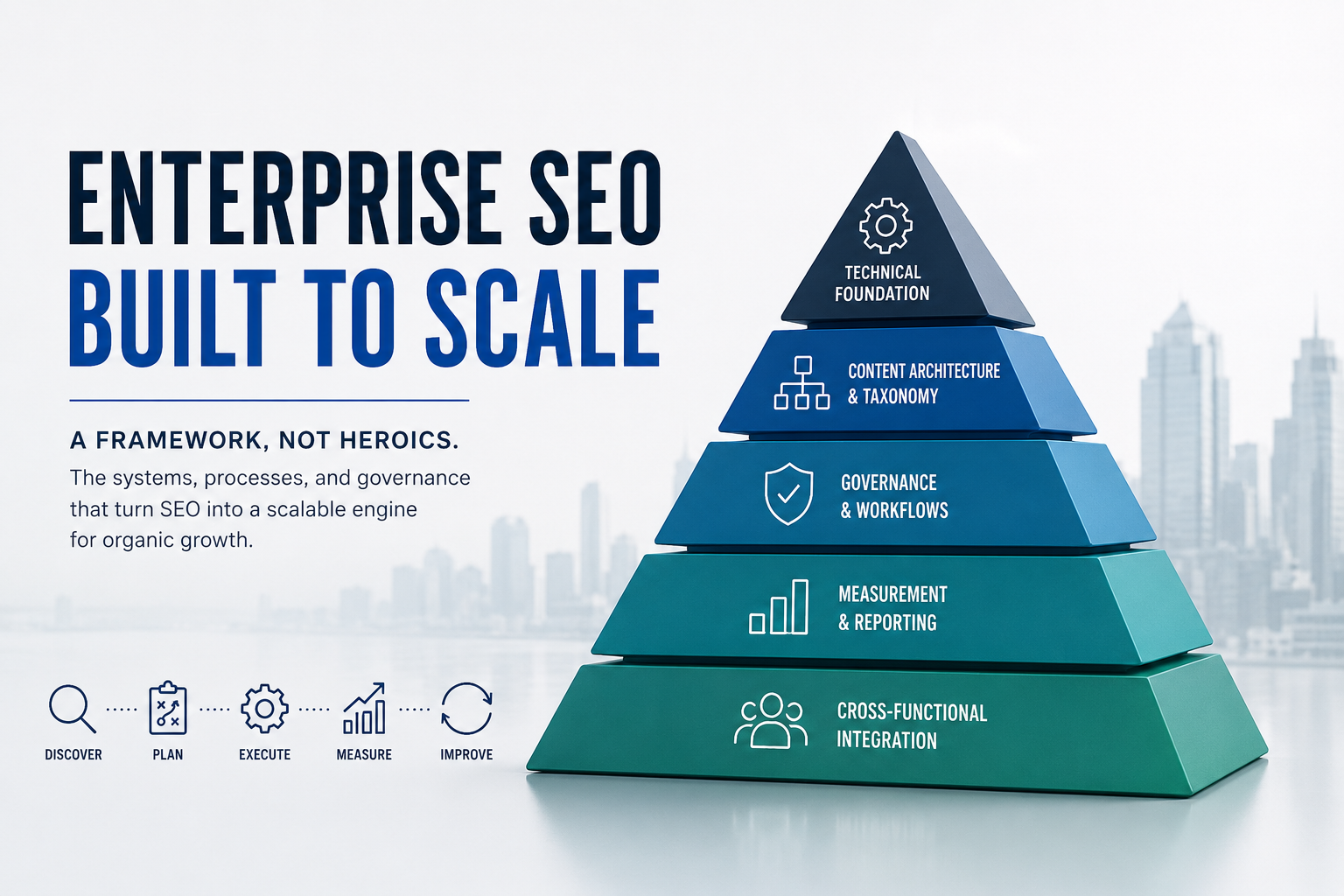
Advanced Confirmation and Technical Seo Handled
Confirmation procedures in 2026 are largely programmatic. Manual link checking is a relic of the past, replaced by automated systems that monitor the health, speed, and security status of every node in a network. These systems use token-based authentication to ensure that a link stays active just as long as the source website fulfills particular security criteria. If a site in the network suffers a breach or loses its SSL certification, the system instantly redirects or deactivates the link to prevent reputation damage to the target domain.
This level of automation is needed since of the large scale of modern digital footprints. Big corporations frequently manage thousands of subdomains and partner sites. Guaranteeing that these connections do not end up being entry points for cross-site scripting (XSS) or other vulnerabilities is a core job for IT departments. The combination of Efficient Automated Backend Optimization Tools into the basic workflow permits a more stable development pattern in search outcomes. By dealing with each link as a secure endpoint, companies can build authority without the worry of abrupt algorithmic decline.
File Encryption and Metadata Obfuscation
Among the more technical aspects of link security in 2026 includes the management of referer headers. Standard web protocols typically transmit a substantial quantity of data about the origin of a visitor. In an enterprise link network, this information can be used by competitors to draw up the whole network structure. To combat this, security professionals use "noreferrer" and "noopener" tags alongside advanced server-side scripts that strip away identifying metadata before the request reaches the destination.
- Release of TLS 1.4 for all network nodes to guarantee fast and safe handshakes.
- Use of randomized crawl patterns to avoid online search engine bots from determining a foreseeable link-building schedule.
- Implementation of hardware-level firewall softwares on all main connecting domains to block malicious bot traffic.
- Strict adherence to regional data personal privacy laws when managing links that go through various geographical areas.
These steps do more than just protect the network from hackers. They also improve the total user experience by ensuring that links are fast and reputable. In 2026, page load speed stays an important element of search performance, and secure, enhanced link paths contribute directly to those metrics. The need for Automated Backend Optimization for Speed has actually grown as more business recognize that security and search exposure are two sides of the exact same coin.
Risk Management and Algorithmic Shielding
The search algorithms of 2026 use advanced pattern recognition to identify link networks that lack a natural footprint. Security protocols are therefore used to inject "noise" into the network, making it appear more natural. This is not about deception, however about protecting genuine organization connections from being misidentified as spam. By differing the server locations, registrar information, and hosting companies, enterprises produce a more resistant structure that can stand up to the analysis of modern AI-driven search filters.
A substantial risk in 2026 is the rise of negative SEO, where harmful actors point countless low-grade, "harmful" links at a competitor's safe and secure network to activate a penalty. Enterprise security protocols should include an active tracking layer that recognizes these inbound dangers in real-time. By utilizing a "disavow-at-source" approach, security groups can avoid these toxic connections from ever being connected with their main digital properties. This proactive defense is far more reliable than attempting to clean up a domain's reputation after a penalty has actually been applied.
Consistency in Technical Seo Handled is accomplished through steady, confirmed development. Quick spikes in connectivity are typically flagged as suspicious, despite the security procedures in location. The protocols typically consist of a "drip-feed" system that guarantees brand-new links are indexed at a rate that matches the natural growth of the brand's online presence. This temporal security avoids the network from drawing unnecessary attention throughout the early stages of its advancement.
The Function of Artificial Intelligence in Link Defense
AI is not just a tool for search engines; it is also a crucial component of link network security. In 2026, AI-driven scanners continuously penetrate an enterprise's link profile to discover vulnerable points. These scanners can forecast which links are more than likely to fail or which domains are ending up being "stale" in the eyes of search algorithms. By determining these concerns before they manifest as a drop in rankings, companies can keep a dominant position in their particular markets.
Artificial intelligence designs likewise help in picking the very best nodes for brand-new links. These models analyze the semantic significance and the security history of a potential connecting website. This ensures that every new connection includes to the overall strength of the network instead of developing a possible vulnerability. The focus is on developing a "web of trust" where every node reinforces the reliability of the others.
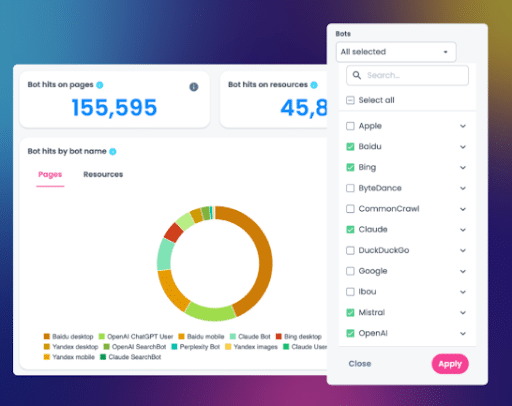
- Constant scanning for broken links and unauthorized redirects.
- Automated updates for all CMS platforms and plugins across the network.
- Real-time monitoring of domain expiration dates to avoid "link hijacking" by squatters.
- Routine audits of anchor text distribution to guarantee it remains within safe, non-optimized criteria.
The Future of Secure Connectivity
Looking towards completion of 2026 and into 2027, the trend of link security is approaching decentralization. Some enterprises are exploring with blockchain-based verification for their crucial connections. This would create an immutable record of the link's origin and purpose, making it almost impossible for 3rd parties to forge or manipulate the relationship. While this technology is still in its infancy for SEO functions, the security advantages are clear.
The integration of safe protocols into the really material of web development indicates that link building is becoming a more technical, engineering-heavy discipline. The days of easy outreach are being changed by a sophisticated blend of networking, security, and data science. Organizations that stop working to embrace these procedures will likely discover their digital properties marginalized as online search engine end up being more skilled at straining unverified and insecure connections.
Effective business in 2026 comprehend that a link is not simply a path for a user; it is a signal of trust. Safeguarding that signal requires a multi-layered method that consists of server-side security, metadata management, and constant AI-driven oversight. By treating their link networks with the same level of care as their primary financial databases, business can make sure long-term stability and development in a progressively intricate digital world. The relationship in between security and search authority has actually never ever been more direct, and the procedures established today will specify the winners of the digital market for many years to come.

Latest Posts

Navigating a Harsh 2026 SEO Environment

Essential PBN Management Tools for High Scale
Acquiring High-Authority Backlinks at Scale